
Key Takeaways:
- The transition from accumulation to distribution requires a coordinated strategy that turns savings into sustainable, tax-efficient retirement income.
- A successful retirement plan balances income, growth, taxes, and flexibility rather than relying solely on dividends or fixed withdrawal rules.
- Retirement confidence comes from having a structured, adaptable plan that aligns your portfolio with your spending needs and long-term goals.
There is a moment we see often with clients, the point when the final paycheck comes in and retirement starts to feel different in a very real way.
For years, the portfolio may have been something you built steadily in the background. You were earning, saving, contributing, and letting time do its work. Then one day, the relationship changes. The portfolio is no longer just something you are building around. It becomes something you may need to live from.
That shift can feel both exciting and unsettling. Even people who have saved diligently and made thoughtful decisions over many years often notice a real change in mindset at this stage. While you are working, market ups and downs can feel easier to absorb because new income is still coming in. Once that paycheck stops, the portfolio begins to play a more immediate role in supporting your life.
That is why the move from accumulation to distribution deserves careful thought. It is not simply about generating income. It is about rethinking how the portfolio supports spending, taxes, flexibility, and the personal priorities that shape a meaningful retirement.
Table of Contents
- 1 Why Retirement Feels Different Once the Paychecks Stop
- 2 A Retirement Portfolio Has to Do More Than Generate Income
- 3 Why Living Only on Dividends and Interest Can Be Too Limiting
- 4 What a Strong Retirement Distribution Plan Should Include
- 5 Retirement Should Support More Than Monthly Spending
- 6 Confidence Comes From Structure, Not Guesswork
- 7 This Transition Deserves Real Thought
Why Retirement Feels Different Once the Paychecks Stop
The distribution years place a different set of demands on your wealth than the accumulation years did.
While you are working, ongoing contributions can help smooth over poor timing or market volatility. In retirement, especially once outside income sources become more limited, your assets need to do more of the heavy lifting. That does not mean retirement should feel fragile. It does mean your plan needs to be more coordinated.
This is usually when people start asking the right questions. Can I live just off the income from my portfolio? Should I avoid touching principal? Do I need to become much more conservative? How much cash should I keep available? When should I take Social Security? Should I be doing Roth conversions?
These are not small questions. They sit at the heart of retirement income planning, and the answers should reflect more than a portfolio balance. They should reflect how you actually live, what you want your money to do, and how much flexibility you want to preserve along the way.
A Retirement Portfolio Has to Do More Than Generate Income
One of the biggest shifts in retirement is that the job of the portfolio changes.
During accumulation, the emphasis is often on long-term growth. In retirement, growth still matters, especially if retirement may last decades, but the portfolio also needs to support liquidity, stability, tax awareness, and spending that may not arrive in a perfectly even pattern.
A strong plan brings those pieces together. It looks at essential expenses, discretionary spending, larger one-time needs, outside income sources, time horizon, and risk. It also reflects the choices that make retirement personal, including charitable giving, helping children or grandchildren, supporting a surviving spouse, or keeping investments connected to what matters most to you.
For some households, that may also include values-based investing as part of the broader plan. Those priorities are not side issues. They are part of the plan itself.
Why Living Only on Dividends and Interest Can Be Too Limiting
A question we hear often is some version of, “Can I live just off the dividends and interest and avoid touching principal?”
We understand that instinct. It can feel safer, cleaner, and more disciplined. Many people are drawn to the idea of living only off what the portfolio produces and never selling anything.
In practice, though, retirement is usually better served by a total return approach. A simple comparison is a rental property. Part of the value comes from the rent it generates. Part of the value may also come from the fact that the property itself appreciates over time. A portfolio works in a similar way. Some return comes from dividends and interest, and some comes from long-term growth in the underlying investments.
The difference is flexibility. A house is fairly binary. You generally either keep it or sell it. A diversified portfolio gives you more options. It can generate income through dividends and interest, but it can also support spending by allowing you to sell shares selectively and strategically over time.
That is why we generally focus on total return rather than yield alone. A retirement portfolio should be built to support both present cash flow and future growth, not simply maximize income today. Chasing yield by itself can lead investors toward portfolios that are less diversified, less flexible, or less aligned with long-term goals.
What a Strong Retirement Distribution Plan Should Include
A thoughtful distribution strategy usually begins with a few core planning areas.
Cash Flow Clarity and Near-Term Reserves
It helps to start with spending clarity. That means understanding what expenses are essential, what is more discretionary, and what larger one-time costs may be on the horizon. Retirement often includes travel, home projects, family support, health care variability, charitable giving, and other irregular expenses that do not fit neatly into a monthly budget.
That planning also helps determine how much cash or highly liquid reserves may make sense. In many cases, it can be prudent to keep a meaningful amount available for near-term needs, often around a year of known spending needs beyond reliable income sources, along with any expected larger expenses. That is not a rigid rule, but it can create flexibility and reduce the feeling that you have to sell longer-term investments at the wrong time.
Time Horizon, Risk, and Portfolio Structure
Money that may be needed soon should be thought about differently from money intended for later in retirement. At the same time, that does not necessarily mean carving the portfolio into separate silos or running multiple disconnected strategies.
At CCM, we generally think in terms of different spending needs, different time horizons, and risk appropriateness inside one coordinated portfolio. Cash can help support immediate needs and provide some sleep-well-at-night money. High-quality bonds can help provide stability and support core income needs. Equities still play an important role because long-term growth remains essential for preserving purchasing power over time.
The point is not simply to get more conservative once you retire. It is to hold a mix of assets that fits the job the portfolio now needs to do.
Asset Location, Taxes, and Withdrawal Strategy
A strong distribution plan also pays attention to where assets are held, not just what is owned.
In many cases, investments that are kicking off income are better placed in retirement accounts because those accounts are sheltered. More growth-oriented investments often fit better in taxable accounts. It is not a hard rule, but that tends to be the general direction.
That kind of asset location work can improve after-tax outcomes over time. It also fits into a broader conversation about how distributions may eventually be sourced from taxable, tax-deferred, and Roth accounts as retirement unfolds.
Social Security, Roth Conversions, and Retirement Withdrawals
For many retirees, Social Security timing deserves real analysis. Delaying benefits can increase lifetime monthly income, but the right answer depends on health, marital status, spending needs, tax considerations, and the broader plan.
The same is true for Roth conversions. These can be especially valuable in years when taxable income is temporarily lower, particularly before required minimum distributions begin. But they should not be done mechanically. The question is whether paying some tax now may improve flexibility and tax efficiency later.
We may look at retirement withdrawal rates as a guide, but we do not think planning should revolve around a single rule of thumb. A better approach is to evaluate cash flow needs, tax brackets, account types, and market conditions together, then make thoughtful distribution decisions within that context.
Retirement Should Support More Than Monthly Spending
A good distribution plan should do more than cover basic spending. It should help create room for choice.
That might include travel, family support, a housing change, charitable giving, or simply the confidence to enjoy the wealth you spent decades building. For some households, it also means giving to children or grandchildren while they are alive to see the impact. For others, it means increasing charitable giving during retirement or preserving flexibility for a surviving spouse. And for many, it means continuing to invest in a way that reflects what matters most to them.
These goals are not separate from retirement planning. They are part of what retirement planning is meant to support.
The strongest plans connect technical decisions to personal purpose. They do not treat one as more important than the other.
Confidence Comes From Structure, Not Guesswork
One of the most valuable things a financial plan can provide is confidence.
Retirement tends to feel steadier when you understand where cash flow is coming from, how the portfolio is positioned, how taxes are being managed, and what options are available if markets or life circumstances change. Confidence usually grows when each part of the plan has a purpose and the pieces are working together.
That does not mean the plan stays frozen. Good distribution planning should be revisited regularly. Spending shifts. Markets change. Tax law evolves. Health care needs can rise. Family priorities can change too. A strong plan should be monitored and adjusted over time, not built once and set aside.
This Transition Deserves Real Thought
Shifting from accumulation to distribution is one of the most important financial transitions many people will face. It is an inflection point, and one that deserves real thought.
The goal is not just to replace a paycheck. It is to build a strategy that helps your wealth support your life in a way that is sustainable, tax-aware, risk-appropriate, and aligned with what matters most to you.
If you are beginning to think through that transition, or are already in it, we would be happy to have a thoughtful conversation about how to approach it. Schedule a call today.

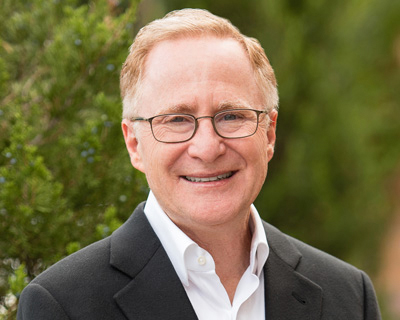
As a serial entrepreneur and world traveler, Lee Strongwater, president of Colorado Capital Management, brings a global perspective to investments and life planning.
- Lee Strongwater
- Lee Strongwater
- Lee Strongwater
- Lee Strongwater
- Lee Strongwater
- Lee Strongwater
- Lee Strongwater
- Lee Strongwater
- Lee Strongwater
- Lee Strongwater
- Lee Strongwater
- Lee Strongwater
- Lee Strongwater
- Lee Strongwater
Editor’s Note: This blog post is for informational purposes only and does not constitute financial, legal, or tax advice. Readers are encouraged to consult with a qualified professional regarding their individual circumstances. Please refer to our firm’s website for full disclosures and important information: CCM Website Disclaimer